
Manufacturing Boom Pushing Economic Growth Across Arizona
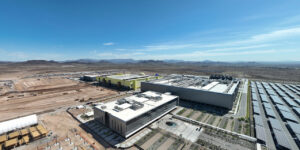
Arizona is experiencing booming economic development. Companies across a variety of industries have announced plans to invest over $32 billion in new projects, expected to bring a projected 25,000 new jobs to Arizona. The Arizona Commerce Authority has given their projections which also indicated higher wage growth than anticipated.
Moreover, the renewable energy sector is experiencing growth, thanks to Arizona’s abundance of sunlight. Companies like Apex Power are leading the charge in renewable energy manufacturing, contributing to both the economy and sustainable practices. The shift towards cleaner energy solutions is not just a trend; it reflects a growing commitment from businesses to invest in the future.
For example, the aerospace sector has been significantly bolstered by companies relocating their operations to Arizona, which has become a strategic location due to its favorable climate for testing aircraft. This not only leads to job creation but also drives technological advancements, as companies invest in research and development to establish themselves in the competitive landscape.
To put this growth into perspective, it’s important to consider the state’s historical context. Arizona has been a hub for manufacturing since the mid-20th century, but recent developments are unprecedented. With the influx of new companies, we see a renaissance in sectors such as aerospace and technology, underscoring Arizona’s strategic importance in national and international markets. The investment from established companies like TSMC and emerging startups alike fosters an environment ripe for innovation and job creation.
Major employers are making moves in cities across the state, but Phoenix is the new home to a growing share of new headquarters buildings. This is led by Taiwan Semiconductor Manufacturing Company’s $165 billion complex in north Phoenix.
The ACA has nearly 500 projects in its pipeline, well over the number more than a year ago., Aerospace, semiconductors, defense, battery technology, consumer products and renewable energy ventures represent more than half of the projects, and nearly a third are from international companies.
Major Projects Announced Within the Last Year
- GTI Energy – Goodyear Manufacturing Plant – Battery Casings – $20 Million – 530.000 sq. feet – 600 new jobs.
- Mayo Clinic Hospital Expansion – $2 Billion – 1.2 million sq. feet – 3,500 new jobs.
- Dutch Brothers Headquarters Relocation – 136,426 sq. feet.
- Eternity Technologies new Headquarters – $20 Million – Global Battery Manufacturing.
- Axon’s Scottsdale Headquarters – 1895 Residential Units and 250,000 sq. feet Headquarters, Hotel & Restaurants
- Komatsu – Japanese Manufacturer of Construction and Heavy Industrial Equipment – $80 Million – 210,.000 sq. feet Manufacturing Plant – 100 new jobs
- Pure Water – Semiconductor Supplier – $30 Million – 100 new jobs
- Apex Power Conversion New Manufacturing Plant – Renewable Energy Manufacturer – $60 Million – 206,000 sq. feet. – 700 new jobs.
- KoMiCo New Semiconductor Cleaning and Coating Facility – $50 Million – 200 new jobs.
- Cognite Global Headquarters Relocation – 30,000 sq. feet – 140 jobs.
- Nucleus RadioPharma New Theranostics Manufacturing Facility – 50 new jobs.
- Quantum Computing Inc. New Manufacturing Plant – 12,000 sq. feet – 50 new jobs.
- Magna – Canadian Automotive Supplier New Manufacturing Plant – 230,000 sq. feet in Mesa.
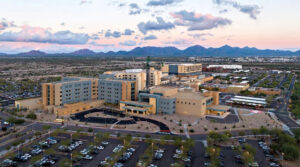
Arizona’s business growth continues to be robust. The commercial real estate market in Arizona is a reflection of the business-friendly environment and diverse economy. As always, we are positioned favorably in the United States for commercial real estate investment.
Furthermore, the state’s universities and colleges are collaborating with industries to ensure the workforce is prepared for the future. Programs focusing on STEM education are vital in equipping students with the skills needed for the growing number of tech-centric jobs. Partnerships between educational institutions and businesses promote a skilled labor force that can adapt to the evolving demands of manufacturing.
In addition to the impressive statistics, the integration of technology in traditional manufacturing processes, known as Industry 4.0, is transforming how production is managed. This shift is seen in many of the new manufacturing plants, which implement smart technologies to enhance efficiency and reduce costs. For instance, automation and data exchange are becoming commonplace, allowing for real-time monitoring and improved productivity.